
A Gentle Indoor Workout for Cold or Rainy Days
Cold weather, rain, and shorter days can make it harder to maintain an outdoor exercise routine. However, you do not need a gym membership or expensive equipment to stay active when the weather is unpleasant. A simple indoor workout can help you move your body, practice basic exercises, and maintain a consistent fitness habit throughout the colder months.
Whether you are a beginner returning to exercise or someone who wants a convenient alternative to outdoor activities, this gentle indoor workout offers an easy way to get started. You can complete it in a small space at home, adjust the movements to your fitness level, and build a routine that fits your schedule.
Why Indoor Workouts Are Useful During Cold or Rainy Weather
Indoor workouts give you an alternative when outdoor exercise is uncomfortable or impractical. Instead of skipping movement because of rain, cold temperatures, or poor visibility, you can exercise in a comfortable space at home.
A home workout can also save travel time and make it easier to fit physical activity into a busy day. You do not need a full home gym, and many beginner-friendly exercises require only your body weight and enough room to move safely.
Regular physical activity supports cardiovascular health, muscular strength, balance, and general well-being. The key is to choose activities that match your current ability and repeat them consistently rather than attempting an overly demanding routine.
What You Need Before Starting Your Indoor Workout
Preparing your workout space can make exercising at home safer and more comfortable. A few simple preparations are enough for most gentle routines.
Clear a Safe Workout Space
Choose a flat, stable area with enough room to extend your arms, step in different directions, and move without hitting furniture. Remove loose rugs, cables, toys, and other objects that could cause you to trip.
Wear comfortable clothing and supportive footwear if appropriate for the exercises and flooring. Keep drinking water nearby, and make sure the room has adequate ventilation.
Warm Up for Five Minutes
A warm-up gradually prepares your body for exercise. Begin with easy movements rather than immediately performing deep stretches or fast, demanding exercises.
Try the following sequence:
- March gently in place for one minute.
- Roll your shoulders forward and backward for 30 seconds.
- Perform comfortable arm circles for 30 seconds.
- Step from side to side for one minute.
- Walk slowly around the room for two minutes.
Move at a comfortable pace. If you feel stiff, spend additional time warming up before increasing the intensity.
A Gentle 15-Minute Indoor Workout for Beginners
This beginner-friendly routine combines light cardio, simple strength movements, and balance practice. It is designed to be adjustable, so you can slow down, rest between exercises, or shorten the session when necessary.
1. Marching in Place
Marching in place is a simple way to increase movement without needing much space. It engages your leg muscles and can gradually raise your heart rate.
How to do it:
- Stand tall with your feet approximately hip-width apart.
- Lift one foot, then the other, in a comfortable marching rhythm.
- Swing your arms naturally if comfortable.
- Keep your movements controlled and maintain a steady breathing pattern.
Continue for two minutes. If lifting your knees feels uncomfortable, use smaller steps or march more slowly.
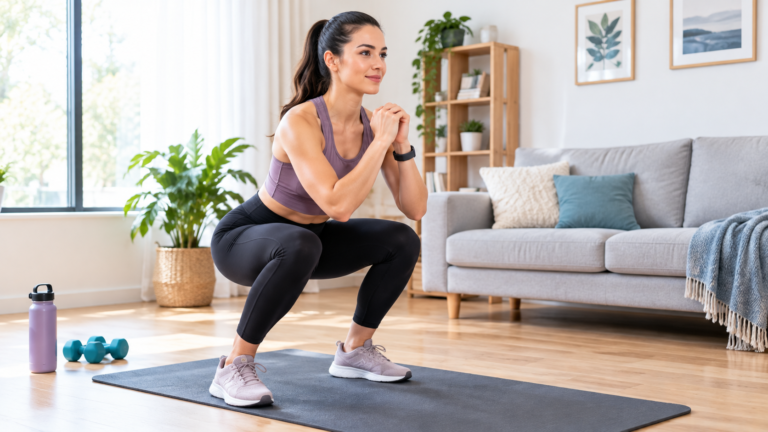
2. Chair Squats
Chair squats help strengthen the muscles used for everyday activities such as standing up and sitting down. A sturdy chair provides a useful reference point for beginners.
How to do it:
- Place a stable chair against a wall.
- Stand in front of it with your feet about shoulder-width apart.
- Push your hips backward and bend your knees as if sitting down.
- Lower yourself until you lightly touch the chair or reach a comfortable depth.
- Press through your feet to stand again.
Perform 8–10 repetitions, or fewer if needed. Use your hands on the chair or another stable support if you require additional assistance.
3. Wall Push-Ups
Wall push-ups strengthen the chest, shoulders, and triceps. They are a useful alternative to floor push-ups because they allow you to adjust the difficulty by changing your body position.
How to do it:
- Stand facing a wall and place your palms against it at approximately chest height.
- Position your feet a comfortable distance away from the wall.
- Bend your elbows and lean your body toward the wall.
- Keep your body aligned without arching your lower back.
- Push through your hands to return to the starting position.
Complete 8–12 repetitions. Stand closer to the wall if you need an easier version.
4. Standing Side Steps
Side steps encourage lateral movement and help you practice coordination. They can also provide a gentle way to keep moving between strength exercises.
How to do it:
- Stand with your feet hip-width apart.
- Step to the right with your right foot.
- Bring your left foot toward your right.
- Repeat in the opposite direction.
- Continue moving from side to side at a comfortable pace.
Continue for one to two minutes. Use a nearby stable support if you feel unsteady.
5. Standing Calf Raises
Calf raises work the muscles at the back of your lower legs. The movement is simple to perform at home and can be adjusted with support.
How to do it:
- Stand near a wall or sturdy countertop.
- Place your feet approximately hip-width apart.
- Hold the support lightly if needed.
- Raise your heels slowly while keeping the balls of your feet on the floor.
- Lower your heels with control.
Perform 10–12 repetitions. Avoid bouncing, and use a comfortable range of motion.
6. Standing Knee Raises
Standing knee raises engage your hip muscles and abdominal muscles while challenging coordination. You can keep the movement small and gentle.
How to do it:
- Stand upright with your feet hip-width apart.
- Lift one knee a comfortable distance.
- Lower the foot gently to the floor.
- Repeat with the opposite knee.
- Continue alternating sides while maintaining your balance.
Perform the movement for one minute. Hold a stable support if necessary, and avoid lifting your knees higher than feels comfortable.
7. Gentle Standing Torso Rotations
Gentle torso rotations help you practice controlled movement through your upper body. Keep the movement relaxed instead of forcing a deep twist.
How to do it:
- Stand with your feet comfortably apart and your knees slightly relaxed.
- Bend your elbows and hold your hands loosely in front of your chest.
- Turn your upper body slightly to one side.
- Return to the center and turn gently to the other side.
- Continue alternating without moving abruptly.
Continue for 30–60 seconds. Stop if the movement causes pain or discomfort.
Your 15-Minute Indoor Workout Schedule
The following table organizes the exercises into a short session. The times are approximate, and you can add rest periods or reduce the number of repetitions to suit your current fitness level.
| Workout activity | Suggested duration |
|---|---|
| Warm-up | 5 minutes |
| Marching in place | 2 minutes |
| Chair squats | 1 minute |
| Wall push-ups | 1 minute |
| Standing side steps | 2 minutes |
| Standing calf raises | 1 minute |
| Standing knee raises | 1 minute |
| Gentle torso rotations | 1 minute |
| Slow walking and cool-down | 1 minute |
This is a flexible beginner routine rather than a strict timed test. Take additional breaks whenever necessary, and prioritize controlled movement over finishing within a particular time.
How to Make Your Indoor Workout Easier or More Challenging
An effective routine should match your current ability. You do not need to make every session harder, especially when you are learning new movements or returning after a break.
If You Are a Complete Beginner
Start with five to ten minutes of gentle movement if 15 minutes feels too demanding. Choose a few exercises, rest between them, and gradually increase your total activity as you become more comfortable.
You can also reduce the number of repetitions, march more slowly, or use a chair or wall for support. Consistency matters more than completing every exercise immediately.
If You Already Exercise Regularly
If the routine feels easy, you can gradually extend the marching intervals, add another round of selected exercises, or increase the pace slightly while maintaining control.
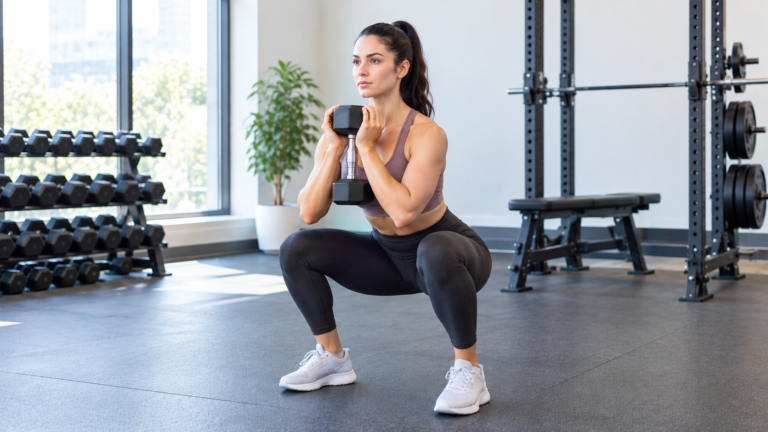
You might also include light dumbbells or resistance bands for appropriate strength exercises. Introduce only one change at a time so that you can assess how your body responds.
Tips for Staying Active When the Weather Is Bad
Having a plan can make it easier to maintain an exercise habit during colder or rainy periods. You do not have to rely on motivation alone; small changes to your daily routine can help.
Schedule a Regular Workout Time
Choose a convenient time that works with your daily responsibilities. You might exercise after waking up, during a lunch break, or before your evening shower.
Treating your workout as a regular appointment can make it easier to remember and repeat.
Use Short Movement Breaks
If you cannot complete a full workout, break your activity into shorter periods. March in place while waiting for a meal, perform a few chair squats between tasks, or take a short indoor walking break.
Short sessions can help you accumulate activity throughout the day. They can also make exercise feel more manageable when your schedule is busy.
Keep Your Equipment Simple
A chair, exercise mat, and resistance band can support many home routines, but equipment is not essential for every exercise.
Avoid buying unnecessary products before you know which activities you enjoy. Start with movements you can perform safely in your available space.
Make Exercise Enjoyable
Play music, follow a beginner-friendly workout video, or exercise while listening to a podcast if doing so does not distract you from safe movement.
You can also invite a household member to join you. Choosing activities you enjoy may help you maintain the habit for longer.
Common Indoor Workout Mistakes to Avoid
Indoor exercise is convenient, but your surroundings and technique still matter. Avoiding a few common mistakes can help make your routine more comfortable and sustainable.
Skipping the Warm-Up
Starting with demanding movements while your body feels stiff can make exercise uncomfortable. Begin with gentle walking, marching, and easy joint movements before progressing.
Exercising Too Intensely Too Soon
You do not need to sweat heavily or feel exhausted for a workout to be worthwhile. Start at a manageable intensity and increase your activity gradually.
Ignoring Your Workout Space
Slippery floors, loose rugs, and nearby furniture can increase the risk of trips and falls. Clear the area before beginning, and choose footwear that suits your flooring and movements.
Forgetting to Cool Down
Finish with a few minutes of slower walking and gentle movement. Allow your breathing to settle gradually rather than stopping abruptly after a demanding session.
Pushing Through Pain
Muscle effort can be normal during exercise, but sharp pain, dizziness, chest discomfort, or unusual shortness of breath should not be ignored. Stop exercising if concerning symptoms occur and seek appropriate medical help. Severe or sudden symptoms may require emergency care.
If you have a medical condition, an injury, or concerns about starting a new exercise routine, speak with a qualified healthcare professional about suitable activities.
How Much Indoor Exercise Should You Aim For?
The amount of activity you need depends on your age, health, fitness level, and current routine. A short indoor workout is a useful starting point, but it does not necessarily meet your entire weekly activity target.
For general guidance, US recommendations for adults call for at least 150 minutes of moderate-intensity aerobic activity each week, along with muscle-strengthening activity on at least two days. People who are inactive can begin with smaller amounts and gradually work toward these recommendations.
Moderate activity generally makes you breathe faster while still allowing you to speak in sentences. Your personal starting point may be lighter, particularly if you are new to exercise.
You can combine indoor movement with walking, cycling, dancing, or other activities you enjoy. The goal is to develop a balanced routine that fits your circumstances and that you can maintain over time.
Frequently Asked Questions
These common questions explain how to adapt indoor workouts to different schedules and experience levels.
Can I get a good workout at home without equipment?
Yes. Bodyweight movements such as chair squats, wall push-ups, marching, and standing calf raises can help you practice strength, coordination, and general movement without specialized equipment.
Is a 15-minute indoor workout enough?
A 15-minute workout is a useful way to begin moving and establish a habit. Whether it is enough for your goals depends on its intensity, your fitness level, and how much other physical activity you do during the week.
Should I exercise every day when the weather is bad?
You can engage in gentle movement daily if it suits your health and recovery needs, but you do not need to perform the same demanding workout every day. Alternate activity levels and allow time to recover after challenging sessions.
Are indoor workouts suitable for older adults?
Many indoor exercises can be adapted for older adults, including supported marching, chair sit-to-stands, and gentle balance activities. Choose movements appropriate to your ability, keep a stable support nearby when needed, and seek professional guidance if you have balance problems or relevant health concerns.
Can indoor workouts help with weight management?
Regular physical activity can contribute to weight management as part of a broader approach that includes eating habits, sleep, and daily movement. Results vary, and no single short workout guarantees weight loss.
What should I wear for an indoor workout?
Wear comfortable clothing that allows you to move freely. Choose footwear appropriate for the exercises and floor surface, and keep the room at a comfortable temperature.
Final Thoughts
Cold and rainy weather does not have to interrupt your fitness routine. With a little space, a sturdy chair, and a few simple movements, you can complete a gentle workout at home without expensive equipment.
Start with a short warm-up, choose exercises that match your ability, and take breaks whenever you need them. As your confidence improves, gradually increase the duration or difficulty of your sessions.
Most importantly, focus on building a routine that feels realistic and enjoyable. Small, consistent steps can help you stay active throughout the colder months and beyond.